Medical Company




Essential Health Guide for Tourists in Halkidiki

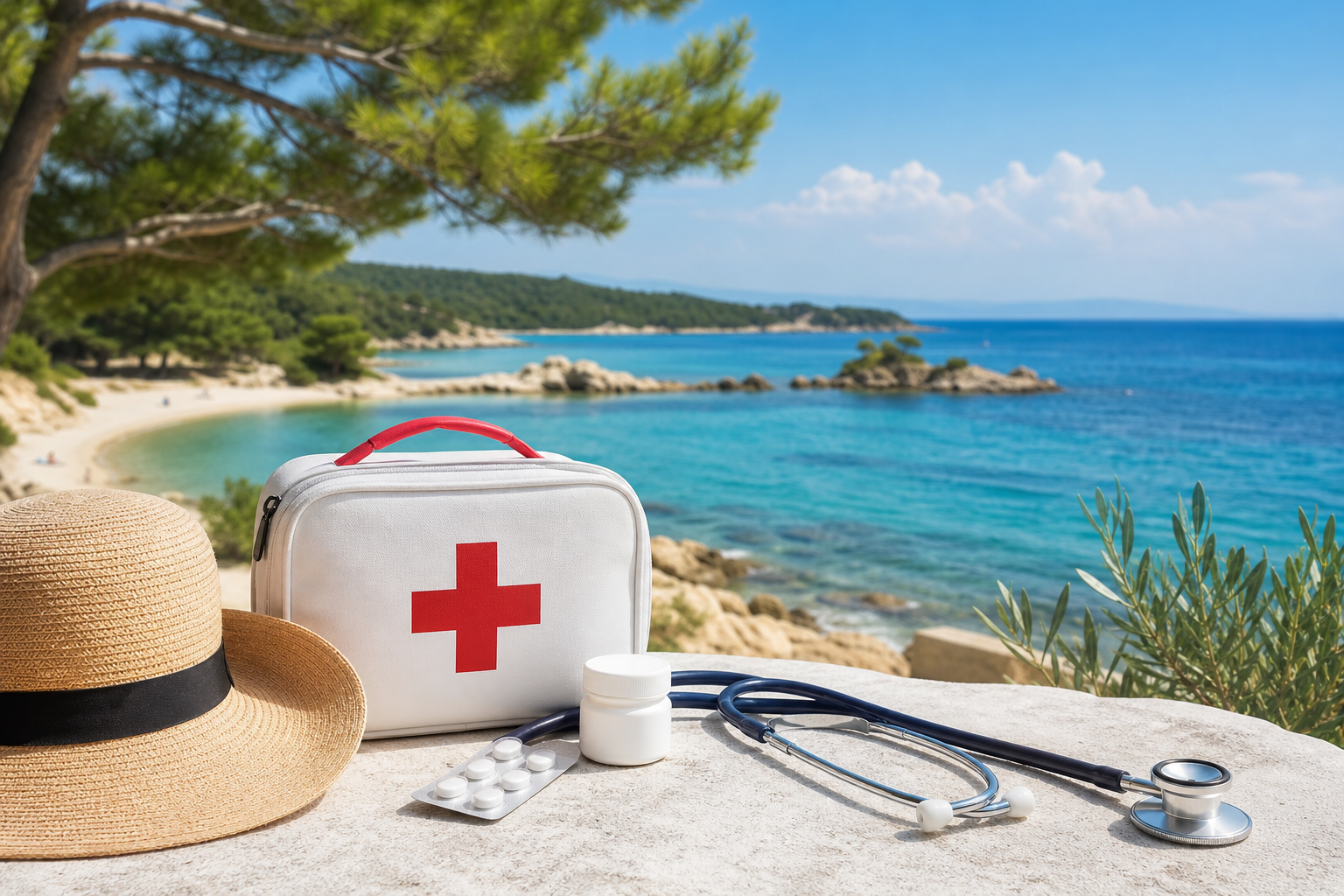
As international tourists flock to Halkidiki to enjoy its stunning beaches and vibrant culture, understanding common health issues and accessing local medical services is crucial for a safe and enjoyable holiday. This guide aims to equip visitors with essential health tips and information about healthcare options available in the region.
Common Health Concerns During Your Stay
While Halkidiki is known for its beautiful landscapes and welcoming atmosphere, tourists may encounter several health issues during their visit. Awareness of these concerns can help in prevention and management.
Sunburn and Heat Exhaustion
The Mediterranean sun can be intense, particularly from June to August. Sunburn is a common issue for visitors who may not be accustomed to such high UV levels. To prevent sunburn, it is recommended to:
- Use a high-SPF sunscreen (at least SPF 30), reapplying it every two hours and after swimming.
- Wear hats and protective clothing.
- Seek shade during peak hours.
Heat exhaustion can occur when spending prolonged periods in the sun without adequate hydration. Tourists should carry water at all times and drink frequently, even if they do not feel thirsty.
Dehydration
Dehydration is another concern, especially when combined with high temperatures and physical activity. Symptoms can include dizziness, dry mouth, and fatigue. To avoid dehydration:
- Drink plenty of fluids, particularly water.
- Consume hydrating foods like fruits and vegetables.
Insect Bites
Insect bites can be a nuisance, especially during the warmer months. Tourists should consider:
- Using insect repellent.
- Wearing long sleeves in the evenings.
If bitten, applying a cold compress can alleviate discomfort.
Minor Injuries
With various activities available, from hiking to water sports, minor injuries such as cuts and scrapes can occur. It is advisable to carry a basic first-aid kit for such incidents. If a wound becomes infected or does not heal properly, medical attention should be sought.
Ear Infections
Swimming can lead to ear infections, particularly in children. Symptoms include ear pain and difficulty hearing. If these symptoms arise, it is essential to consult a healthcare professional.
Gastrointestinal Problems
Changes in diet and food hygiene can lead to gastrointestinal issues, such as stomach aches or diarrhea. Tourists should:
- Maintain good hand hygiene.
- Choose reputable dining establishments.
If symptoms persist, seeking medical advice is recommended.
Allergic Reactions
Allergic reactions can occur from food, insect stings, or environmental factors. Tourists with known allergies should carry their medications and be aware of local emergency services.
When to Seek Medical Attention
While many health issues can be managed with basic care, certain serious symptoms warrant immediate medical attention. These include:
- Difficulty breathing.
- Severe allergic reactions.
- Loss of consciousness.
- Persistent high fever.
- Dehydration symptoms.
- Any injury that may require stitches or further treatment.
Tourists in Greece should call 112 for emergencies.
Accessing Healthcare in Halkidiki
For tourists requiring medical assistance, the Halkidiki Doctors network provides a reliable option. This network consists of primary healthcare clinics located throughout the region, including in Sarti, Nikiti, Neos Marmaras, Hanioti, and Pefkohori. The clinics are staffed by English-speaking practitioners who are ready to assist both visitors and local residents.
Halkidiki Doctors offers a range of services, including:
- General practitioner consultations.
- Doctor home visits.
- Early diagnosis.
- Treatment for various medical issues.
The clinics provide 24-hour on-call medical coverage for urgent situations, distinguishing this availability from individual clinic opening hours. They are supported by local hospitals and can provide referrals for serious cases.
Conclusion
Tourists visiting Halkidiki can enjoy their holiday with peace of mind by being aware of common health issues and knowing how to access medical care. If you need non-emergency medical assistance, we encourage you to contact Halkidiki Doctors or find your nearest clinic from their clinic locations page. By taking preventive measures and knowing when to seek help, visitors can ensure a safe and enjoyable experience in this beautiful region.
Frequently Asked Questions (FAQ)
1. What should I pack for health and safety?
Make sure to pack a first-aid kit, sunscreen, insect repellent, and any personal medications you may need.
2. Where can I find a doctor in Halkidiki?
You can visit the Halkidiki Doctors clinics, located in several towns, including Sarti, Neos Marmaras, and Hanioti.
3. What is the emergency number in Greece?
The emergency number in Greece is 112. Use this number for any serious medical emergencies.
4. Can I see an English-speaking doctor in Halkidiki?
Yes, many doctors in the Halkidiki Doctors network speak English and can assist international visitors.
5. Are there pharmacies in Halkidiki?
Yes, there are many pharmacies throughout Halkidiki where you can purchase medications and health supplies.